Can You Freeze Cheesesteak? A Filling-First Plan
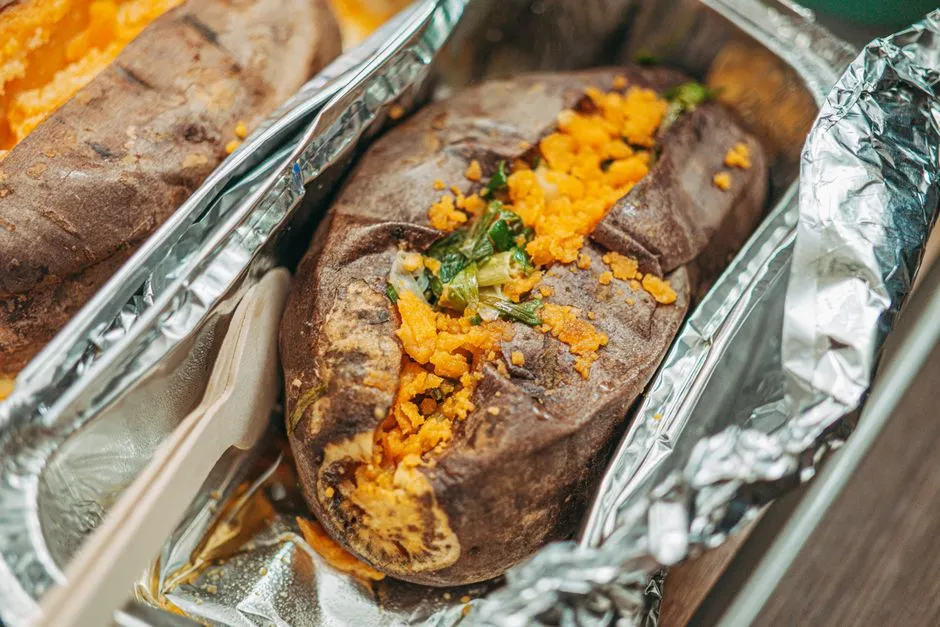
- Can you freeze cheesesteak filling?
- Which leftovers are eligible for the freezer?
- Why pack the filling separately from the bread?
- How should you cool and package the cooked filling?
- What does a useful portion record look like?
- What should go on each label?
- How do storage time and the next meal fit together?
- Frequently asked questions
- Sources
Can you freeze cheesesteak filling?
Yes, you can freeze safely handled, fully cooked cheesesteak filling; packing bread separately is a useful planning option. Refrigerate leftovers promptly in shallow containers at 40°F or below, within two hours, or one hour above 90°F. Freeze at 0°F or below; freezing does not make mishandled food safe. Keep ingredient and allergen information with each batch. Thaw filling in the refrigerator and reheat leftovers to 165°F, checked with a food thermometer.
This is a desk-researched storage and portioning guide, not a tested freezer recipe. It covers fully cooked leftovers using U.S. food-safety guidance. It does not cover partially cooked meat or override the instructions on a commercially frozen product. The useful distinction is between a batch worth storing and a batch that should be discarded before packaging begins.
Which leftovers are eligible for the freezer?
Start with the food's history, not its appearance. Was it cooked appropriately, protected from raw-food contamination, and refrigerated promptly? If the answer is unknown, do not freeze it for a later meal.
The FDA's storage guidance explains that freezing does not kill most bacteria. It also warns that food can be unsafe without an obvious change in smell or appearance. Neither a tight bag nor a fresh date label corrects mishandling.
The federal cold-storage chart gives leftover cooked meat or poultry three to four days refrigerated at 40°F or below. That is not a reason to wait until the final day. Our planning preference is to identify the portions you will not use while the batch is still fresh and its history is clear.
Keep the cooking date as well as the freezing date. A single label reading “frozen today” conceals how long the food was refrigerated beforehand.
Why pack the filling separately from the bread?
Separate packages let you choose a roll and a filling amount independently. You can also tell exactly how much cooked mixture remains, rather than counting sandwiches whose sizes differ. These are organizational advantages, not a claim that we tested competing wrapping methods.
For this workflow, treat cooked meat and vegetables already mixed together as one filling batch. Record whether cheese and sauce are already included. Keep unused bread, cheese, and condiments under their own package storage instructions; do not give all components the same storage life merely because they will eventually share a sandwich.
If you want more of this component-by-component approach, browse our sandwich skills collection. Here, the freezer record matters more than the final assembly method.
How should you cool and package the cooked filling?
Do not leave a deep pan on the counter until it seems cool enough. FoodSafety.gov's four steps specify shallow containers and prompt refrigeration for leftovers, within two hours or one hour when exposed to temperatures above 90°F. Keep the refrigerator at 40°F or below and the freezer at 0°F or below, verified with appliance thermometers.
Use clean utensils reserved for the cooked food. Equipment that touched raw meat must be washed before reuse with ready-to-eat food. Handle hot pans with appropriate protection.
For the final freezer package, the National Center for Home Food Preservation's packaging guidance says to cool food before packaging it in meal-size quantities. Do that cooling through prompt refrigeration, not extended counter storage. Prepare labels and containers beforehand so packaging does not delay chilling.
Choose packaging intended for freezer use. NCHFP's container guidance emphasizes moisture resistance, a reliable seal, and materials that withstand low temperatures. Follow the container maker's fill and temperature limits. Do not assume that an ordinary glass jar is freezer-safe.
For suitable freezer bags, remove excess air before sealing; keep sealing edges clean. This is frozen storage, not canning or a way to make the filling shelf-stable.
What does a useful portion record look like?
Here is an original, fictional inventory example, not a recipe yield, nutrition recommendation, or observed kitchen result.
Suppose a safely cooked and chilled batch contains 1,200 grams of finished filling, including its cooked vegetables and any cheese already mixed in. Choose one packing scheme:
| Packing choice | Calculation | Packages produced |
|---|---|---|
| Smaller units | 1,200 ÷ 200 = 6 | Six packs of 200 grams |
| Larger units | 1,200 ÷ 300 = 4 | Four packs of 300 grams |
Those are alternative ways to divide the same batch, not quantities to combine. Neither pack size establishes how much anyone should eat or whether a particular roll will hold it.
Under the smaller-unit scheme, label packs A through F. If the next meal uses A and B, the record becomes:
- Removed: 2 × 200 = 400 grams.
- Remaining: 1,200 − 400 = 800 grams.
- Cross-check: four remaining packs × 200 = 800 grams.
Weigh food without the container's mass; the quantity describes cooked filling, not raw meat purchased. If the measured total is different, recalculate from that total. Do not assume a raw-to-cooked yield from this example.
Plan the arithmetic before handling food and avoid leaving chilled filling out while completing the worksheet. The record is there to simplify storage, not extend handling time.
What should go on each label?
NCHFP recommends identifying the food, added ingredients, packing date, and quantity. Our expanded household record separates the cooking and freezing events:
| Field | What to enter |
|---|---|
| Batch identity | Fully cooked beef filling, or fully cooked chicken filling |
| Included ingredients | Vegetables, cheese, sauces, and other additions actually used |
| Cooking date | The date the batch was cooked |
| Freezing date | The date this portion entered frozen storage |
| Amount and pack ID | Actual cooked mass and a unique letter or number |
| Ingredient reference | Where the original package labels or ingredient list are kept |
Record what is true, not what usually goes into your recipe. If a sauce changes, the old batch description is not an adequate substitute.
Follow the FDA's advice to read food labels for allergens. Cheese, rolls, and sauces may introduce different ingredients. Keep their current labels available when sharing food; a handwritten “beef filling” label does not establish that a batch meets another person's allergy requirements.
How do storage time and the next meal fit together?
Freezer quality and food safety are different questions. The federal chart's two-to-six-month freezer range is for cooked meat or poultry leftovers. It is not a tested quality window for your exact combination of bread, sauce, cheese, and vegetables.
For the next meal, select only the packs needed and thaw filling in the refrigerator at 40°F or below. NCHFP's thawing guidance explains why a frozen center does not make counter thawing safe: the outer food can become warm enough for bacteria to multiply. There is no universal overnight thawing guarantee.
Once thawed, reheat the filling to 165°F, measured with a food thermometer, following the federal minimum-temperature chart. The leftover endpoint is not the same as a raw steak's initial cooking target. Melting cheese or a toasted roll cannot establish the filling's temperature.
Follow appliance and container instructions. In particular, NCHFP cautions against putting frozen food in a glass dish into a preheated oven unless the manufacturer specifies that the dish can go from freezer to oven. This guide intentionally does not supply a universal oven time.
Frequently asked questions
Can I freeze a whole assembled cheesesteak?
This guide favors separate filling and bread because you can choose each amount independently. It is a planning preference, not a claim that every assembled sandwich freezes badly. A filled roll remains perishable food: refrigerate promptly within two hours, or one hour above 90°F, and discard it if its handling history is unsafe.
Should I leave cheese out before freezing?
You can keep separately purchased cheese separate for later assembly, but already-melted cheese does not need to be scraped out for this workflow. Expect product-dependent texture. NCHFP notes that frozen hard or semi-hard cheese can become crumbly and mealy; that does not establish how every cheese sauce or mixed filling will perform.
Can freezing rescue filling that has been in the fridge too long?
No. FoodSafety.gov lists three to four refrigerated days for leftover cooked meat or poultry at 40°F or below. Freeze eligible leftovers early instead of using freezing to rescue an old or uncertain batch. FDA explains that freezing does not kill most bacteria, and unsafe food can look and smell normal.
Can I thaw the filling on the counter?
No. Keep this perishable mixture in the refrigerator at 40°F or below while thawing, not on the counter or in warm water. A frozen center does not protect a warming outer layer. Plan ahead without assuming that every pack will thaw overnight; package size and refrigerator conditions affect the time.
How long does frozen cheesesteak filling last?
The federal chart gives cooked meat or poultry leftovers two to six months in the freezer for quality, not a safety deadline or a texture promise for a complete sandwich. Continuous storage at 0°F or below preserves safely handled frozen food indefinitely. This does not excuse unsafe handling before freezing; reheat leftovers to 165°F.
Sources
Primary guidance consulted September 8, 2026:
- FoodSafety.gov: cold food storage chart.
- FDA: storing food safely.
- FoodSafety.gov: four steps to food safety.
- NCHFP: packaging and labeling foods.
- NCHFP: containers for freezing.
- FDA: food allergies.
- NCHFP: thawing and preparing foods.
- FoodSafety.gov: safe minimum internal temperatures.
- NCHFP: freezing cheese.