Chicken Cheesesteak Recipe for 4 Loaded Rolls
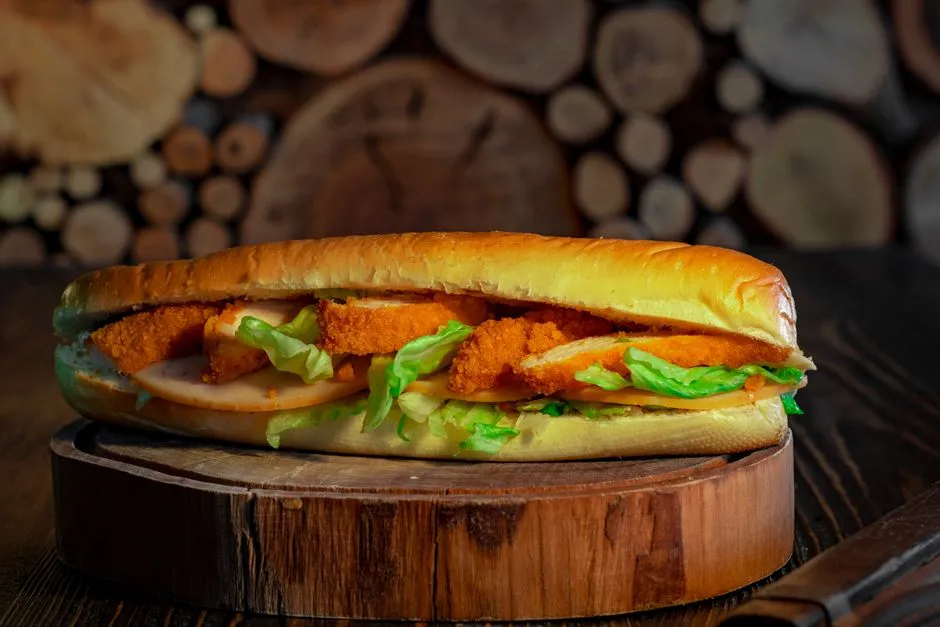
Four loaded rolls, one orderly skillet plan
This chicken cheesesteak recipe cooks onion and pepper first, chicken second, and assembled portions last. That sequence gives the vegetables time to brown and the chicken room to reach 165°F (73.9°C) without simmering in a crowded pan.
The recipe makes four sandwiches. Each receives one-quarter of the cooked filling and one cheese slice—sandwich equality achieved without a committee meeting.
Ingredients
- 1 pound (454 grams) boneless, skinless chicken breast or thigh
- 1 medium yellow onion, about 7 ounces (200 grams)
- 1 medium bell pepper, about 5 ounces (140 grams)
- 2 tablespoons neutral cooking oil (30 milliliters), divided
- 3/4 teaspoon kosher salt, divided
- 1/2 teaspoon ground black pepper
- 1/2 teaspoon garlic powder
- 4 sandwich-size slices provolone cheese
- 4 sturdy split rolls, each about 6 inches long
- Pickled hot peppers, optional, drained well
Ingredient labels matter for allergens, particularly bread and cheese. Use products appropriate to your needs.
Slice safely and keep raw chicken separate
Place the chicken in the freezer for 15 to 20 minutes so it firms slightly but does not freeze solid. On a stable cutting board, slice it across the grain into thin strips. If using thigh, trim large pieces of excess fat.
Wash hands with soap and water after handling raw chicken. Clean and sanitize the knife, board, counter, and any handles touched. Keep bread, cheese, vegetables, and serving plates away from raw-chicken juices.
Slice the onion into thin half-moons and the pepper into narrow strips using clean equipment. The hot sandwich recipes begin with organization because discovering the cheese while the chicken burns is not a technique.
Brown the vegetables first
Heat 1 tablespoon oil in a large skillet over medium-high heat. Add the onion, pepper, and 1/4 teaspoon of the salt. Cook for 8 to 10 minutes, stirring periodically, until softened and browned at the edges.
If the vegetables darken faster than they soften, reduce the heat slightly. If they release water, spread them across the skillet and let the moisture evaporate before stirring again. Transfer them to a clean bowl.
Cook the chicken to 165°F
Return the skillet to medium-high heat and add the remaining 1 tablespoon oil. Add the chicken in a broad layer. If your skillet is small, cook in two batches so the pieces brown rather than steam.
Season with the remaining 1/2 teaspoon salt, black pepper, and garlic powder. Let the first side cook briefly before stirring, then turn and separate the strips. Cook until no raw surfaces remain and the thickest pieces reach at least 165°F (73.9°C) on an instant-read thermometer.
Temperature is the safety test; color and cooking time are not. Clean the thermometer stem according to its manufacturer after checking.
Return the vegetables to the skillet and toss until hot. Taste with a clean utensil and adjust seasoning only after the chicken is safely cooked.
Divide before adding cheese
Push the mixture into an even layer, then divide it visibly into four equal portions. Keep each portion roughly roll-shaped. Lay one provolone slice over each and reduce heat to low.
Cover the skillet for 30 to 60 seconds, just until the cheese softens. Watch closely. The filling is already cooked, and prolonged heat dries chicken while the cheese conducts a slow meeting about melting.
Meanwhile, open the rolls and toast their cut surfaces in a dry skillet, toaster oven, or 350°F (177°C) oven until lightly crisp. Do not leave them unattended.
Fill and serve immediately
Use a wide spatula to lift each cheesy portion into one roll. Add well-drained pickled peppers if desired. Serve at once, while the cheese is fluid and the toasted interior can still manage the juices.
For leftovers, cool filling promptly and store it covered, ideally apart from the bread. Our guide to reheating a cheesesteak explains how to bring the filling to 165°F without making the roll taste like it spent the night under a rain cloud.
Do not leave cooked chicken at unsafe temperatures, and discard leftovers with uncertain handling. A careful sandwich is generous, crisp, and entirely free of raw-chicken plot twists.